

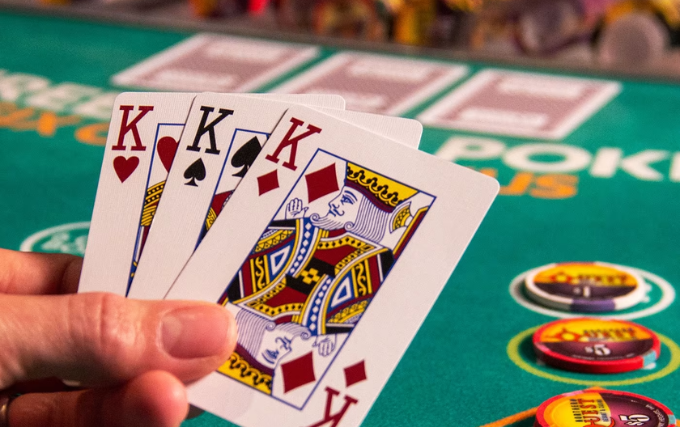
Three card poker delivers fast-paced casino excitement with simple rules. Players enjoy quick rounds and clear outcomes. Many beginners prefer this game because it blends poker thinking with casino betting. Moreover, the game requires less time than traditional poker tables. Players compete against the dealer instead of other players. Therefore, every round feels direct and engaging.
This game uses only three cards for each hand. That structure creates quick decisions and easy learning. Additionally, players can enjoy multiple betting options within one round. Casinos around the world offer this game due to its popularity. Consequently, new players often try it as their first poker-style game.
What Three Card Poker Means
Three card poker describes a casino table game that uses standard poker hand rankings. Each player competes against the dealer. Players place bets before seeing cards. Then the dealer reveals hands after each round of decisions.
Furthermore, the game combines luck and strategy. Players decide whether to continue or fold after seeing their cards. That decision makes every round more exciting. In contrast to traditional poker, players do not bluff against others.
Casinos designed this game for speed and simplicity. Therefore, tables move quickly and keep action continuous. Many players enjoy the balance between risk and reward.
Basic Rules of the Game
Players start by placing an initial wager called the ante bet. Additionally, players may place a separate bonus bet before cards appear. The dealer then gives three cards to each player and themselves.
Next, players review their cards and decide to fold or play. If a player folds, they lose the ante bet immediately. However, if they continue, they must place a play bet equal to the ante.
The dealer reveals their hand after all decisions finish. The dealer needs at least a qualifying hand to compete. A queen high or better qualifies the dealer. Otherwise, the ante pays even money.
Consequently, strong hands increase winning chances significantly. Players aim for higher poker rankings than the dealer.
Card Rankings in Three Card Poker
Understanding hand rankings helps players make smart choices. Three card poker uses standard poker rankings with slight adjustments.
Straight flush ranks as the strongest hand. It includes three consecutive cards of the same suit. Next comes three of a kind, which features three identical ranks.
A straight follows as the next strongest combination. It includes three consecutive cards of different suits. Flush ranks below straight and uses three same-suit cards.
Pair holds moderate strength and includes two matching cards. High card represents the weakest hand. Therefore, players rely heavily on pairs and higher combinations.
Moreover, understanding rankings improves decision-making speed. Strong hands encourage players to continue betting.
How a Typical Round Works
First, players place ante bets at the table. Some players also place optional side bets. Then the dealer distributes three cards to each participant.
Next, each player evaluates their hand privately. Players then choose to fold or continue playing. This step requires careful judgment and quick thinking.
After decisions finish, the dealer reveals their cards. The dealer must qualify to activate comparisons. If the dealer fails to qualify, ante bets pay automatically.
Furthermore, winning hands receive payouts based on ranking strength. Stronger combinations earn higher returns. Consequently, players aim for premium hands whenever possible.
Betting Options Explained
Three card poker includes multiple betting choices. The ante bet serves as the main entry point. Players must place it before receiving cards.
Additionally, the play bet equals the ante when players continue. This bet activates only when players stay in the round.
Many casinos offer a pair plus bet. This side wager pays based on the player’s hand alone. It ignores the dealer’s hand entirely. Therefore, players can win even if they lose the main round.
Moreover, bonus payouts reward strong hands like straights and flushes. These payouts vary by casino rules. Players should always check tables before starting.
Consequently, understanding bets improves overall strategy and bankroll control.
Effective Strategy for Better Results
Successful players follow simple decision rules. First, players should continue with queen-six-four or higher hands. This rule increases winning probability against the dealer.
Next, players should fold weaker hands to reduce losses. Weak combinations rarely beat qualifying dealer hands. Therefore, folding prevents unnecessary risk.
Additionally, players should avoid chasing losses through larger bets. Smart bankroll management improves long-term results. Consistency matters more than aggressive play.
Furthermore, bonus bets require caution. These bets offer high payouts but lower probability. Players should treat them as optional entertainment.
In contrast, focusing on main bets improves stability. Strategic discipline leads to better outcomes over time.
Understanding Payouts
Payouts depend on hand strength and game rules. Winning ante and play bets usually pay even money. However, stronger hands trigger bonus payouts.
Straight flushes often receive the highest rewards. Three of a kind also delivers strong returns. Flushes and straights provide moderate payouts.
Additionally, pair plus bets offer separate payout tables. Pairs start with small returns. Stronger combinations increase payout values significantly.
Consequently, players benefit most from rare high-ranking hands. Casinos set exact payout structures, so tables may differ.
Therefore, reading rules before playing ensures better expectations.
Common Mistakes Players Make
Many beginners play too many weak hands. That mistake reduces long-term success. Folding weak cards improves results significantly.
Additionally, some players ignore bankroll limits. That behavior leads to quick losses. Smart players set clear spending boundaries.
Moreover, players sometimes overvalue low pairs. Small pairs rarely beat dealer hands. Therefore, caution improves decision quality.
In contrast, disciplined players avoid emotional decisions. They follow simple rules consistently.
Furthermore, ignoring payout tables creates confusion. Each casino may adjust rewards slightly. Players should always check details before starting.
Useful Tips for Beginners
First, learn hand rankings before playing. That knowledge builds confidence at the table. Next, start with small bets to understand flow.
Additionally, observe experienced players during early rounds. Observation improves understanding of strategy patterns. Moreover, practice helps reduce mistakes over time.
Furthermore, focus on main bets before exploring side wagers. This approach limits risk exposure. Consequently, beginners gain steady experience without heavy losses.
In contrast, rushing decisions increases errors. Slow thinking improves accuracy and outcomes.
Finally, stay patient and consistent during gameplay sessions. Patience creates better long-term performance.
Why Players Enjoy Three Card Poker
Players enjoy this game due to its speed. Each round finishes quickly and keeps excitement high. Additionally, simple rules attract beginners easily.
Moreover, the game offers multiple ways to win. Players appreciate both main bets and side bets. Therefore, variety increases engagement.
Casinos also prefer this game because it runs efficiently. Dealers manage tables smoothly with fast rounds. Consequently, players experience continuous action.
In contrast to complex poker variants, this game reduces pressure. Players focus on simple decisions instead of long strategies.
Advanced Considerations
Experienced players analyze probability patterns carefully. They understand when to fold marginal hands. Additionally, they track payout differences across casinos.
Moreover, advanced players avoid unnecessary side bets. They focus on consistent returns from main wagers. Therefore, discipline separates skilled players from beginners.
Furthermore, table selection matters for long-term success. Better payout tables improve potential returns. Players often compare casinos before choosing seats.
Consequently, preparation enhances overall performance.
Conclusion
Three card poker delivers simple yet exciting casino action. Players enjoy quick rounds and clear outcomes. Moreover, the game combines luck with basic strategy decisions.
Understanding rules improves confidence at the table. Strong knowledge of rankings supports better choices. Additionally, smart betting protects bankrolls and increases enjoyment.
Therefore, beginners should start slow and learn gradually. Experience builds stronger decision-making skills over time. In the end, disciplined play leads to better results and more enjoyable sessions.
